Home/Siding
Walls and cladding
Siding — problems, causes and costs
Most siding trouble is about water getting behind the cladding, not the cladding itself. Find what you’re seeing below. Several of these are yours to handle without calling anyone, and we say which ones.
Everything we have on siding: what fails, why, what it costs, and which of it you can handle without calling anyone. Siding is a rain screen. Its job is to shed most of the water and protect the sheathing and framing behind it. When those parts get wet, the siding is the symptom and the wall is the problem.
1Start with what you can see
2How siding fails
| What you see | Usual cause | First thing to try |
|---|---|---|
| Chalky film on painted metal | The factory finish oxidizing in the sun | Wash it, then decide if it needs repainting |
| Dents or cracks on one side | Hail, or vinyl gone brittle with age | Photograph it and note the date of any storm |
| Waves or bulges in vinyl | Panels nailed too tight to expand | Ask the installer to look before it gets worse |
| Open joints at windows, doors and pipes | Old caulk that has shrunk or cracked | Cut out the old caulk and reseal |
| Soft wall, stains, peeling paint low down | Water behind the cladding, or wood touching soil | Probe the wall and pull the grade back from the siding |
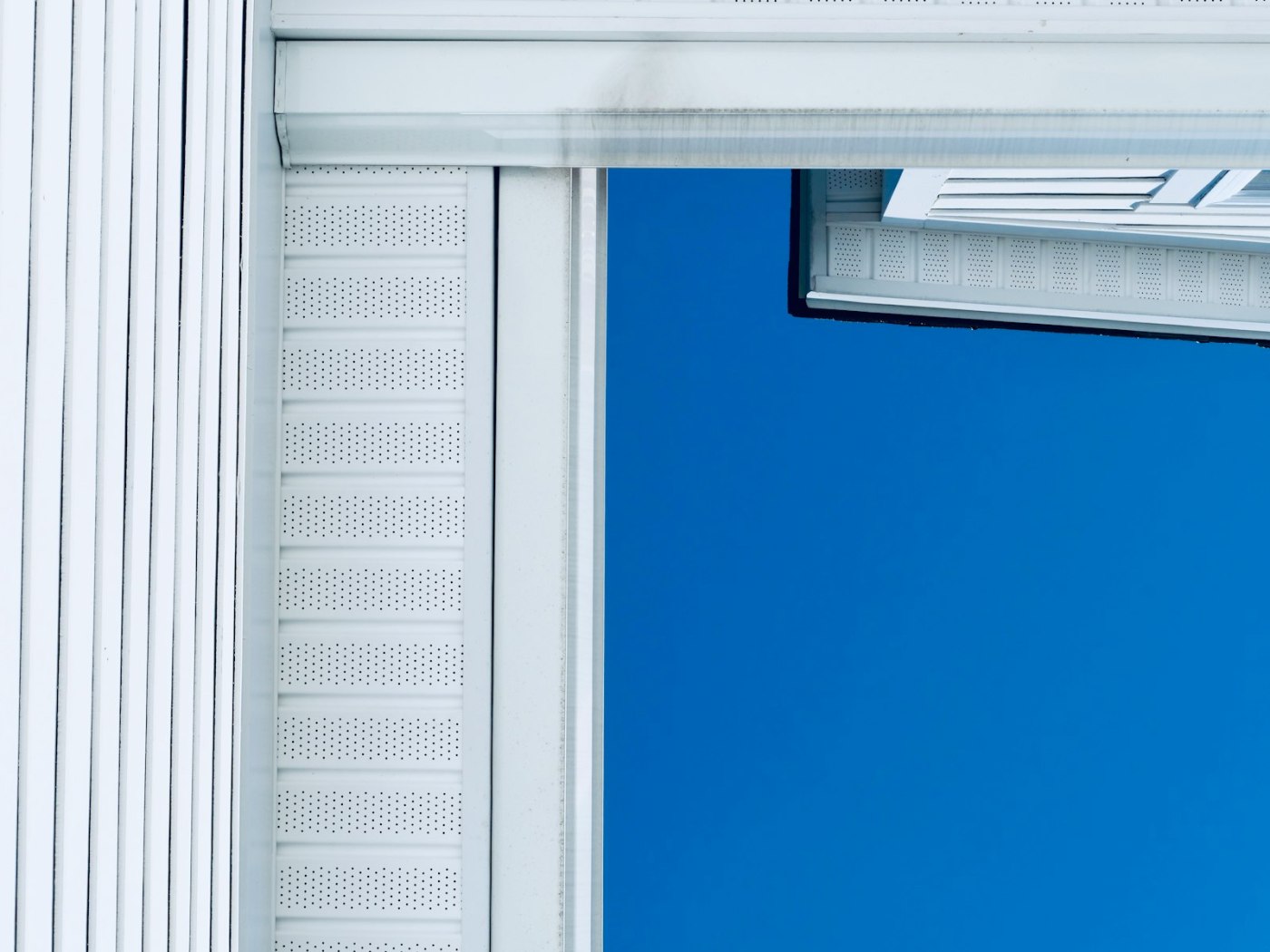
Mid-century houses often have asbestos-cement siding, and homes built before 1978 may have lead paint. Have the siding identified before anyone cuts, drills or sands it. For paid work that disturbs paint on a pre-1978 home, hire a lead-safe certified firm.
3What siding work costs
The price moves with the material, the wall area, the number of stories, how much trim and how many windows the crew has to work around, and whether damaged sheathing has to come off first. Matching discontinued panels can turn a small repair into a full wall. Older homes can add testing or lead-safe work.
4Siding FAQ
Should I repair or replace my siding?
Repair when the damage is limited to a few panels and the wall behind is dry and solid. Replace when the panels are brittle, can’t be matched, or the sheathing behind is wet over a large area.
Is hail damage to siding covered by insurance?
Often, yes, if it came from a specific storm. Siding is frequently left off claims when only the roof is inspected, so ask for it to be included.
How do I know if my siding contains asbestos?
You can’t tell by looking. Have a sample tested by an accredited lab or a licensed inspector before anyone cuts or drills it. Until then, leave it alone.
What maintenance actually matters?
Check the caulk at windows, doors and penetrations every year, keep soil and mulch off the bottom course, and make sure gutters aren’t dumping water onto the wall.
Written by Jaylan Jones. I Like To Exterior Services earns a referral fee when a call connects to a contractor. See our business-model disclosure.
877-360-4657Talk to a local pro
One free number for every trade below. Tap a button to call, or dial it from any phone.
We are a publisher, not a contractor, and may earn a referral fee when a call connects. How this site makes money.

