Home/Single vs double pane
Windows · Compare
Single vs double pane windows
Double pane cuts heat transfer and noise substantially. But replacement rarely pays back on energy savings alone. The honest reasons to upgrade are comfort, noise and condensation.
Window salespeople lead with energy bills. The energy math is the weakest part of the case. The stronger reasons are the ones you feel: a cold room, street noise, and water running down the glass every winter morning.
1Side by side
| Factor | Single pane | Double pane |
|---|---|---|
| Heat transfer | Performs badly | Cut substantially |
| Noise | Performs badly | Cut substantially |
| Condensation on the glass | Common in cold weather | Much less, because the inner pane stays warmer |
| Comfort near the window | Cold in winter | Noticeably better |
| Where you find it | Most pre-1980 houses | Newer and replacement windows |
| Failure to watch for | Loose glazing, drafts, rotted sills | A failed seal fogs between the panes |
2The honest reasons to upgrade
- Comfort. Rooms with large single-pane windows feel cold near the glass even when the thermostat is right.
- Noise. Double pane cuts noise substantially. On a busy street, that alone can justify it.
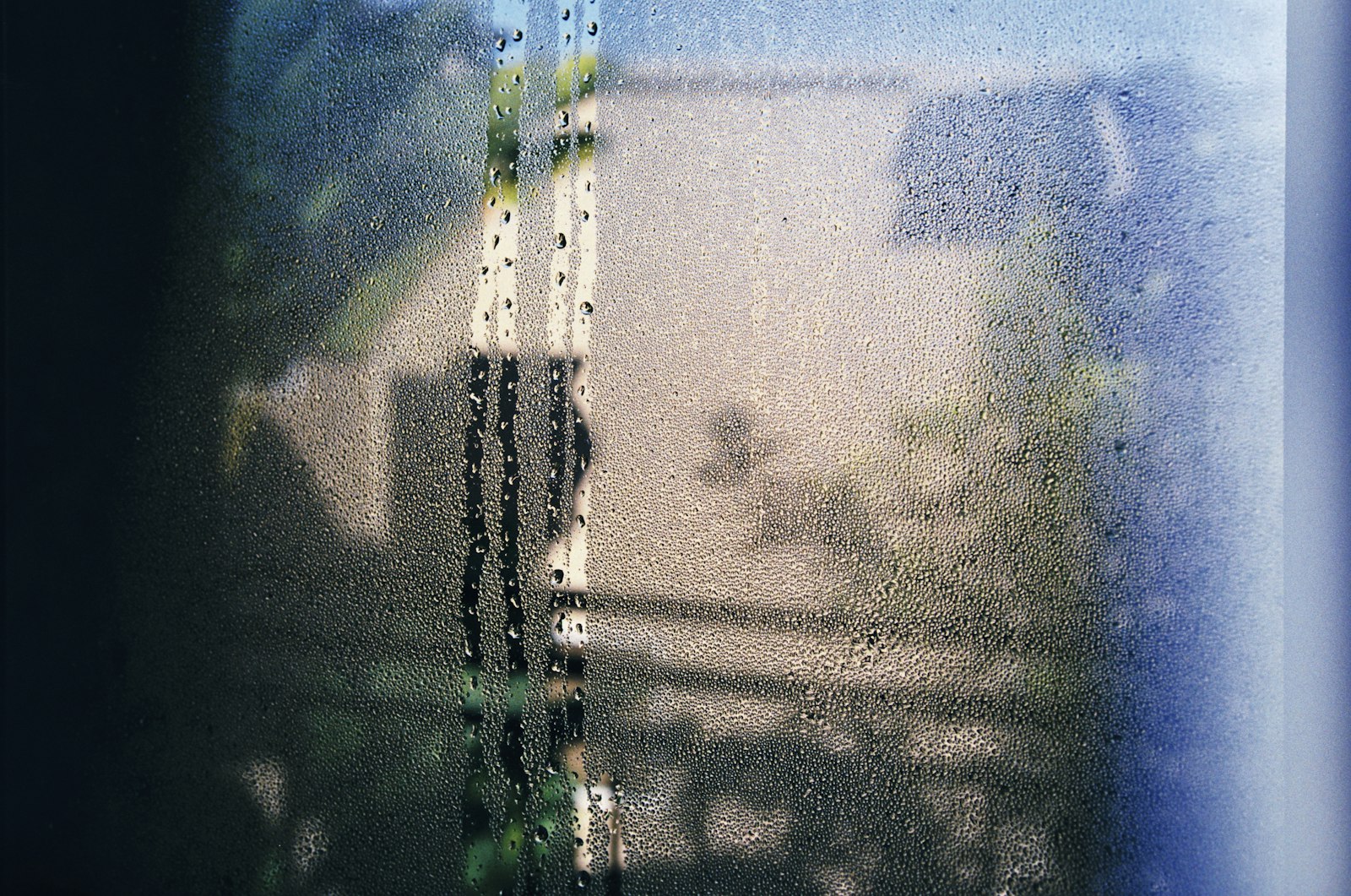
- Condensation. Cold single-pane glass collects water in winter, and that water rots sills. See condensation on the inside in winter.
Energy savings are real but small against the price. Replacement rarely pays back on energy alone within a reasonable period, so don’t let a payback number be the reason you sign.
3Glass-only or full replacement
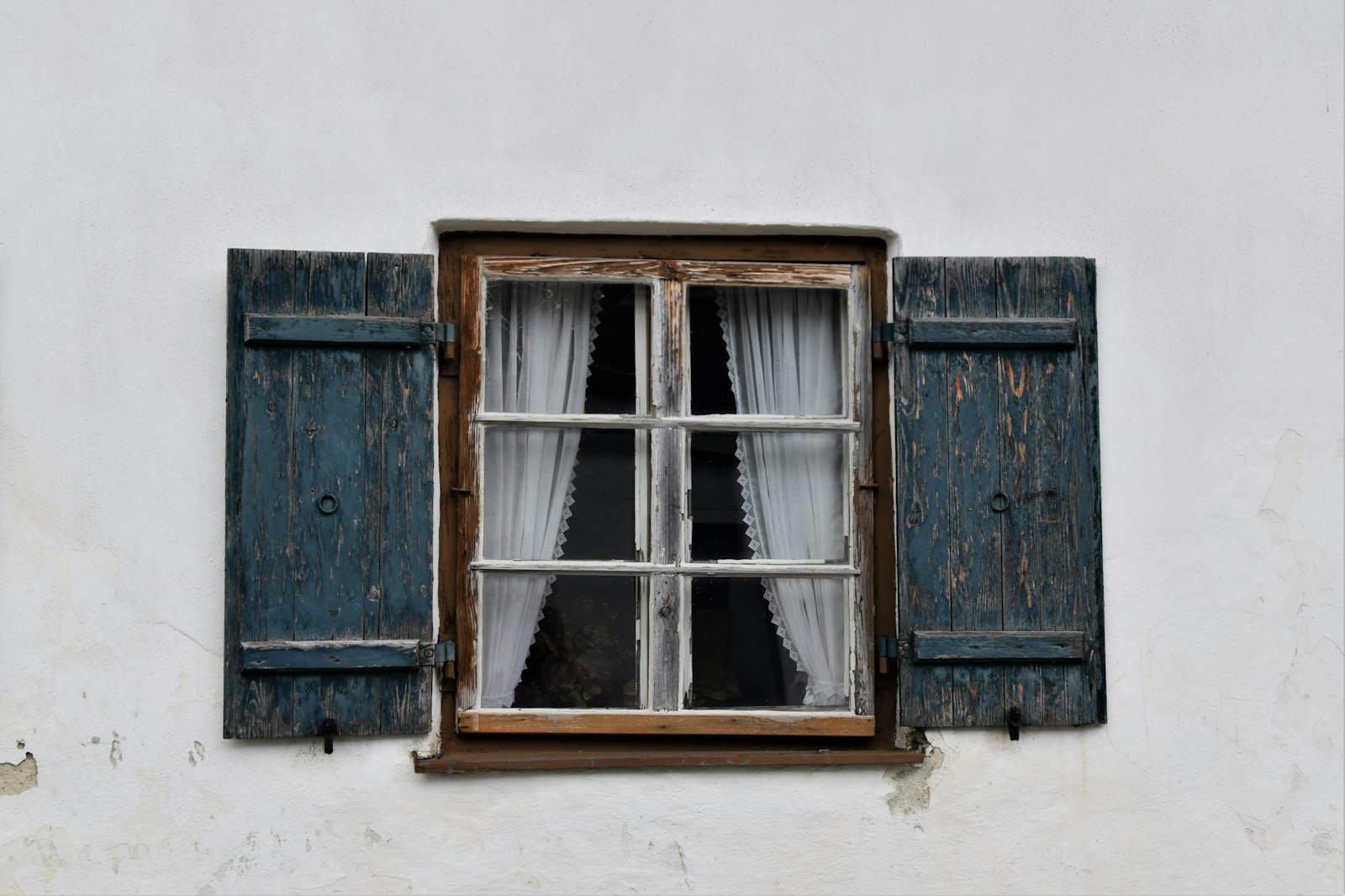
Glass-only replacement
- The frames and sashes are sound
- Far cheaper than full units
- Keeps original windows on an older house
- Ask whether your sash can take the thicker glass
Full replacement units
- Frames are rotted, warped or leaking
- Sashes won’t stay up or seal
- Frames are original single-pane aluminum
- You want new hardware and weatherstripping throughout
Check the frames before anyone quotes. See rotted wood sill under an older window, sash that will not stay up and original single-pane aluminum.
4Before you get quotes
- Find where the cold is coming fromA draft at the frame is an air-sealing problem, not a glass problem. See drafts at the frame rather than the sash.
- Probe the sillsSoft or dark wood means the frame, not just the glass, needs attention.
- Check existing double pane for fogFog between the panes means a failed seal. It may still be under warranty. See fog between the panes.
- Ask for glass-only pricing tooIf the frames are sound, ask every contractor to quote glass-only alongside full units.
Talk to a local window contractor and ask for both on the same windows.
877-360-46575Questions
Will new windows pay for themselves in energy savings?
Rarely within a reasonable period. Upgrade for comfort, noise and condensation, and treat energy savings as a bonus.
Do I need whole new windows to get double pane?
No. If the frames are sound, glass-only replacement into existing sashes is far cheaper than full units.
My double-pane window is foggy inside. Is it under warranty?
It may be. Seal failures are often covered. See broken thermal seal still under warranty.
Written by Jaylan Jones. I Like To Exterior Services earns a referral fee when a call connects to a contractor. See our business-model disclosure.
877-360-4657Talk to a local pro
One free number for every trade below. Tap a button to call, or dial it from any phone.
We are a publisher, not a contractor, and may earn a referral fee when a call connects. How this site makes money.

