Home/Concrete
Driveways, walks and slabs
Concrete — problems, causes and costs
Most concrete trouble starts underneath the slab or before the pour, not in the surface you can see. Find what you’re seeing below. Several of these you can handle yourself, and we say which ones.
Everything we have on concrete: what fails, why, what it costs, and which of it you can handle without calling anyone. A lot of the expensive damage is decided before the truck arrives, by the base, the reinforcement, the joints and the weather on pour day.

1Start with what you can see
2How concrete fails
| Failure | Usual cause | First thing to try |
|---|---|---|
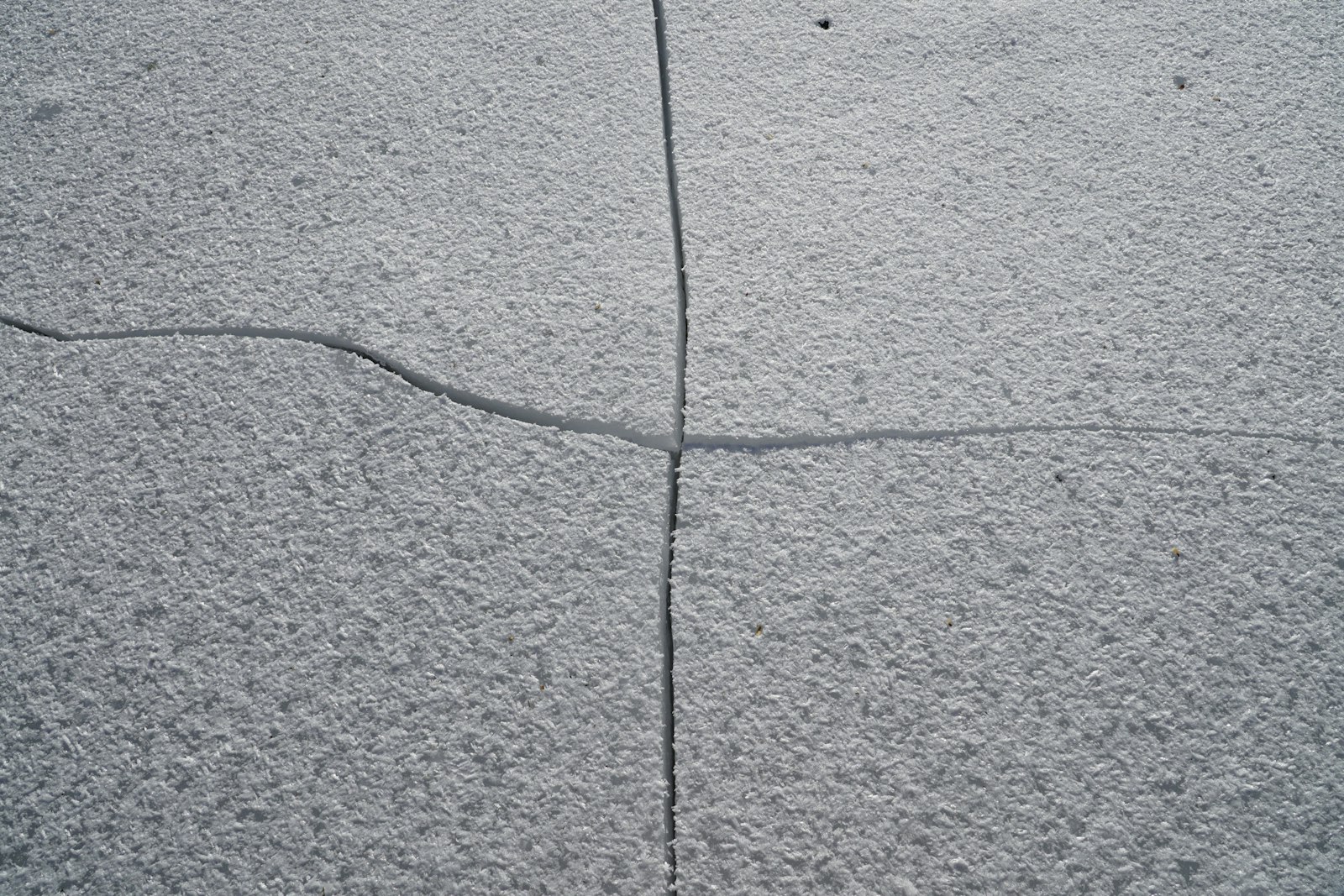
| Cracking | Shrinkage while curing, missing or packed joints, or movement in the base | Mark the crack ends and watch them through a season before deciding |
| Sinking or settling | Soil or backfill under the slab compacting or washing out | Check where roof and surface water goes; ask about lifting before replacing |
| Surface flaking (spalling) | Freeze-thaw, a poor finish, or deicer on young concrete | Find out how deep it goes; a delaminating surface needs more than a patch |
| Standing water | Slab pitched flat or toward the house, or low spots from settling | Redirect downspouts and regrade the soil at the edges |
| Lifting and heaving | Tree roots, or frost under a slab with poor drainage | Have the tree looked at before anyone cuts roots |
3What concrete work costs
The price moves with the area and thickness of the slab, how much old concrete has to be broken out and hauled away, base preparation, reinforcement, access for the truck or pump, finish, and the season. Lifting a sound slab is usually cheaper than replacing it. Prices vary by region, and where a job has a genuine do-it-yourself version we say so rather than quoting a number.
4Concrete FAQ
Are cracks in new concrete normal?
Some are. Fine shrinkage cracks in the first year are common and largely cosmetic. Cracks that keep widening, step out of level, or open and close with the seasons point to movement under the slab.
Should I replace or lift a sunken slab?
If the slab itself is in one piece and sound, mudjacking or foam lifting is usually cheaper than tearing it out. Badly broken or spalling slabs are better replaced.
Can I seal over a flaking surface?
Sealer can help protect sound concrete. Once the surface is delaminating, sealing or patching over it is temporary, because the layer underneath is what failed.
What should a concrete quote spell out?
The slab thickness, base preparation, the reinforcement and its spacing, joint layout, the finish, and the curing plan. Ask for it in writing, because most of it is hidden once the concrete is poured.
Written by Jaylan Jones. I Like To Exterior Services earns a referral fee when a call connects to a contractor. See our business-model disclosure.
877-360-4657Talk to a local pro
One free number for every trade below. Tap a button to call, or dial it from any phone.
We are a publisher, not a contractor, and may earn a referral fee when a call connects. How this site makes money.

