Home/Chimney
Masonry, flues and venting
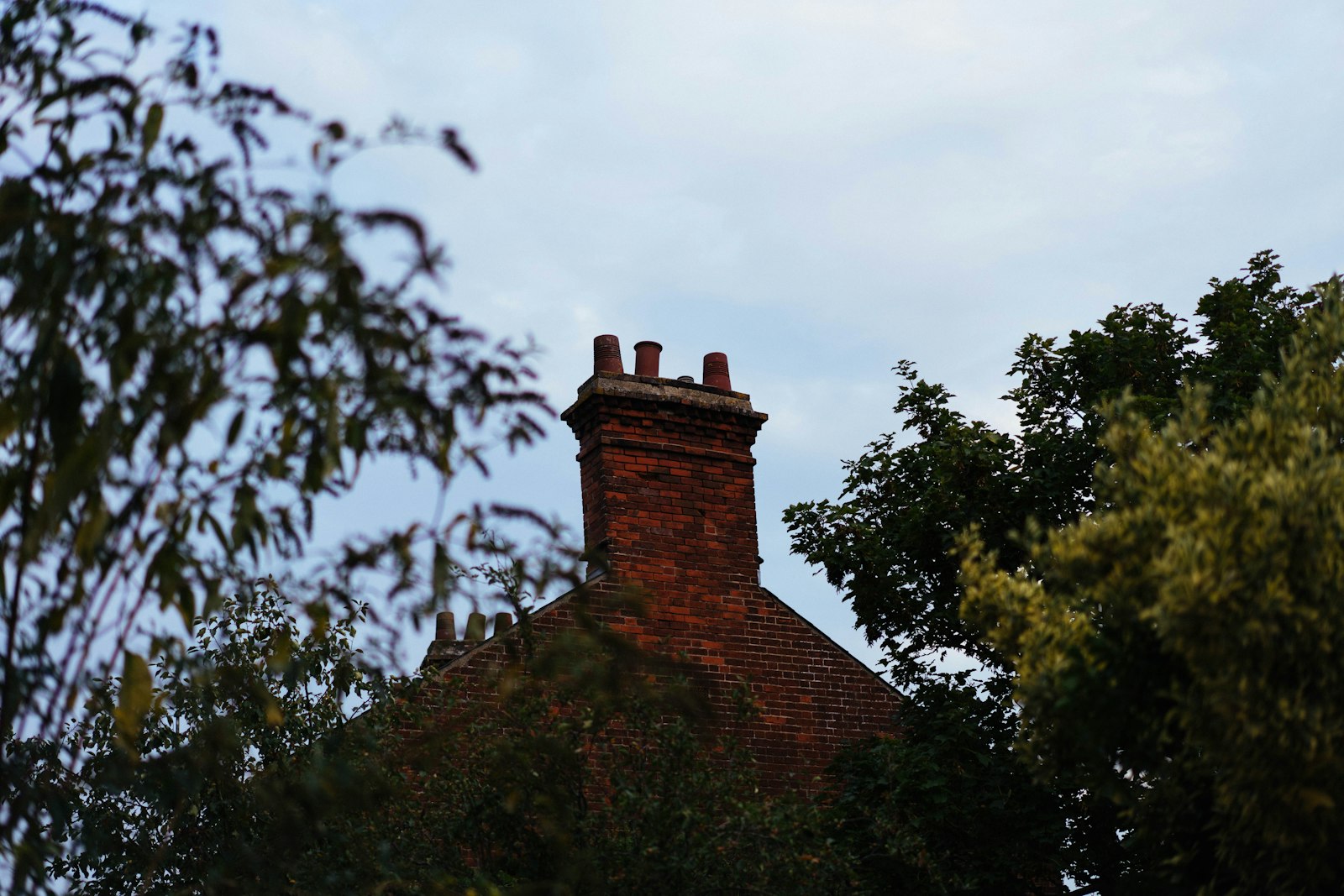
Chimney — problems, causes and costs
Most chimney damage is water getting in at the top, and most chimney danger is in the flue. Find what you’re seeing below. A couple of these you can handle yourself, and we say which ones.
Everything we have on chimneys: what fails, why, what it costs, and which of it you can handle without calling anyone. NFPA 211, the national fire-safety standard for chimneys and vents, recommends having chimneys inspected once a year.
Get everyone outside now and call 911 or the fire department from outside. Don’t go back in to investigate. See carbon monoxide alarm sounding.
1Start with what you can see
2How chimneys fail
| Failure | Usual cause | First thing to do |
|---|---|---|
| Leak at the ceiling | Failed flashing where the chimney meets the roof | Have the flashing checked before blaming the masonry |
| Water inside the flue | No cap, or a cracked crown | Add a cap; have the crown inspected |
| Crumbling brick and mortar | Water in the masonry freezing and thawing | Stop the water at the top, then repoint |
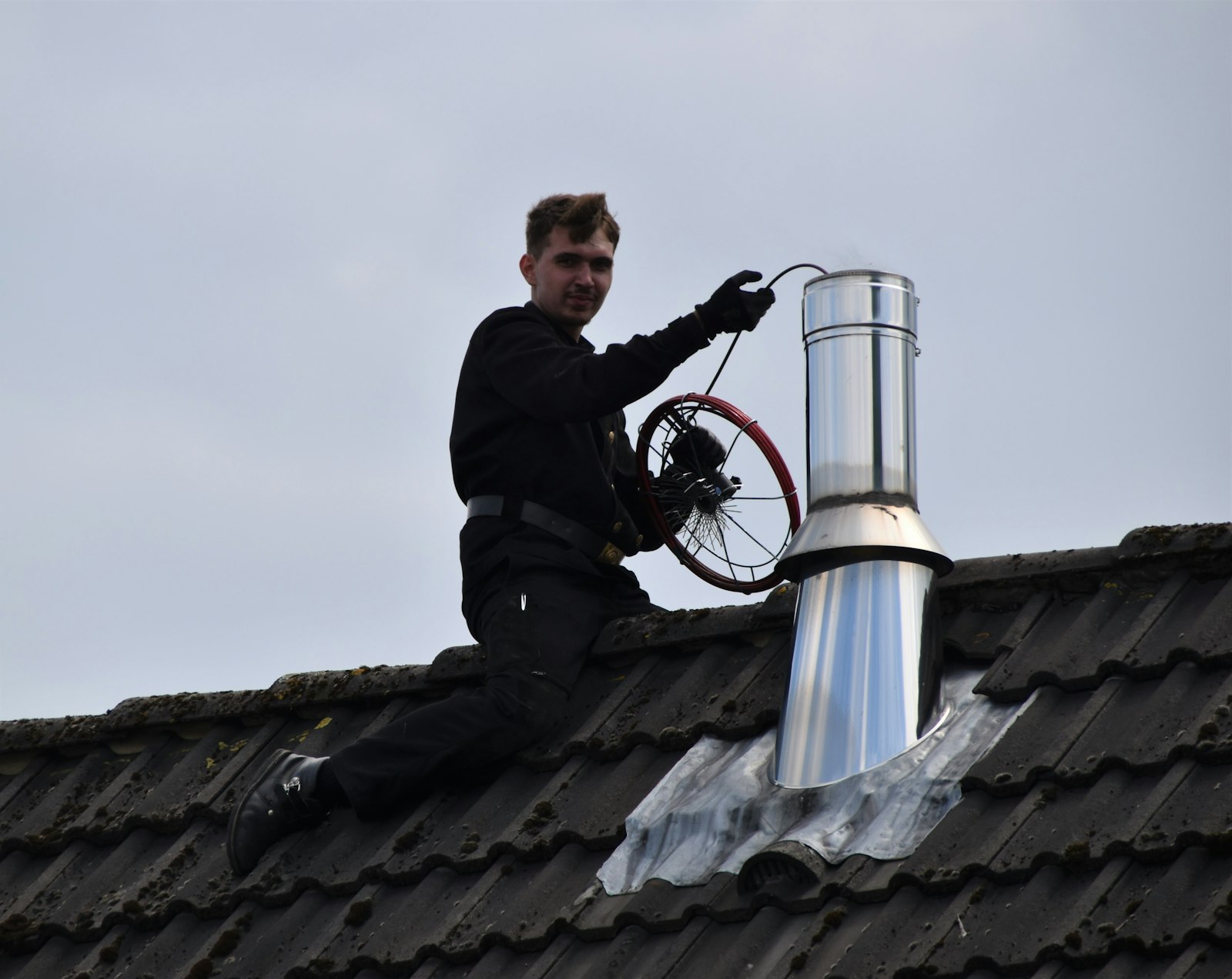
| Chimney fire risk | Creosote build-up from wood burning | Annual inspection, and sweeping when needed |
| Poor venting or CO risk | Unlined flue, or a gas appliance on a flue that doesn’t suit it | Have the flue and venting assessed by a qualified pro |
Don’t attempt your own work on flue liners or gas appliance venting. Mistakes there can let carbon monoxide into the house.
3What chimney work costs
The price moves with roof height and pitch, how much of the stack is affected, whether the work is flashing, crown, masonry or flue, and whether scaffolding or a lift is needed. Relining a flue is a larger job than sweeping one. Prices vary by region, and where a job has a genuine do-it-yourself version we say so rather than quoting a number.
4Chimney FAQ
How often should a chimney be inspected?
NFPA 211 recommends an inspection once a year, and sweeping when the inspection shows it’s needed. Regularly used wood-burning appliances need it most.
Why is my ceiling stained next to the chimney?
Almost always failed flashing where the chimney meets the roof, not the masonry. Have the flashing checked first.
Do I need a chimney cap?
An open flue lets in rain, birds and animals. A cap is inexpensive and prevents most of the moisture damage that later costs real money.
Can I connect a new gas appliance to my old chimney?
Not without a venting assessment. A flue sized for a wood fire is often oversized for a modern gas appliance and may not draft properly. Leave this to a qualified pro.
Written by Jaylan Jones. I Like To Exterior Services earns a referral fee when a call connects to a contractor. See our business-model disclosure.
877-360-4657Talk to a local pro
One free number for every trade below. Tap a button to call, or dial it from any phone.
We are a publisher, not a contractor, and may earn a referral fee when a call connects. How this site makes money.

