Home/Roof age
Roofing · Work it out from the ground
How old is your roof?
Work it out without climbing anything. Paperwork settles it. Failing that, the shingle type and what is collecting in the gutters tell you most of what you need to know.
Age answers most repair-or-replace arguments on its own. You can settle most of this yourself, from the ground. Only three signs below are worth a roofer’s visit, and one is about safety, not roofing.
1Start with the paperwork
That settles it. County assessor records are public and usually show the permit date for a reroof. Start there before estimating from appearance. Age answers most repair-or-replace arguments on its own. You can settle this one yourself. No call needed.
2Read the shingle type
| What you see | Type | Rated life | What it tells you |
|---|---|---|---|
| Flat shingles with cut tabs, all one thickness | Three-tab | Around twenty years | Largely discontinued for residential use after the mid-2000s, so a three-tab roof is very likely at or past rated life. Curling at the edges confirms it. |
| Thicker shingles with a dimensional, layered look | Architectural | Twenty-five to thirty years | The rating assumes adequate ventilation and ordinary weather. Full sun, a poorly ventilated attic, or a history of hail all pull the real figure well below the number on the wrapper. |
Both of these you can settle yourself. No call needed.
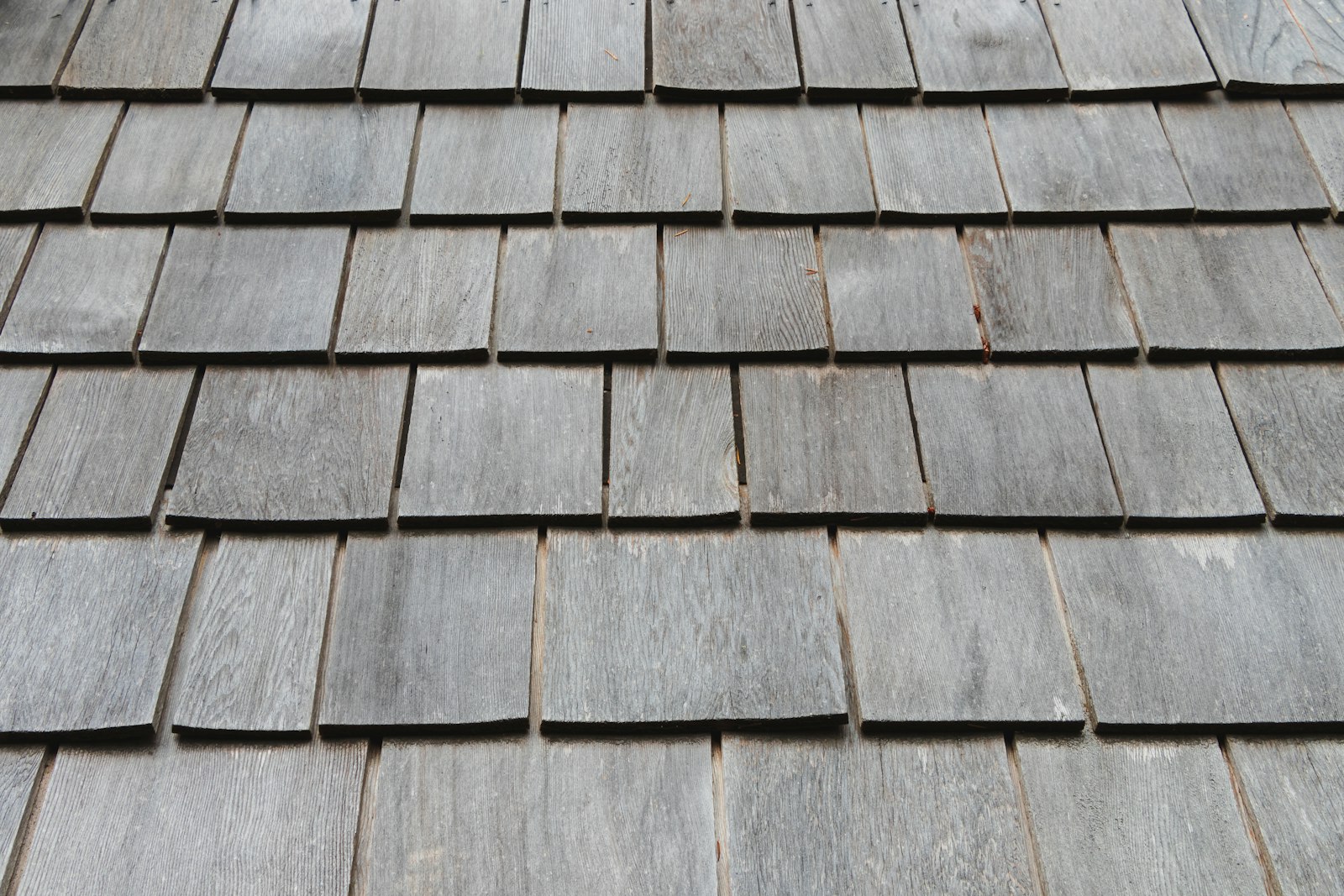
3Check the gutters for granules
Some granule loss is normal on a new roof and after storms. Compare a handful from the downspout outlet to what came off last year. Steady accumulation from a mid-life roof means the mat is exposing. You can settle this one yourself. No call needed.
4Signs worth a roofer’s visit
- Shingle edges curling or cupping across the roofOnce curling is general rather than local, the mat has lost its oils and the shingle no longer seals. Patching at that point is spending money on a roof that is finished.
- Multiple layers visible at the roof edgeLook at the rake edge and count. Layering was normal practice for decades. It hides the decking condition, adds weight the framing was not sized for, and most manufacturers will not warrant over it. See two or three layers of shingle already on the roof.
- A dip or sag along the ridge lineLook down the ridge from the ground. A dip means framing rather than roofing: rafter spread, a failed ridge board, or decking that has been wet a long time. That is a structural assessment before it is a roofing quote. See sagging visible along the ridge line.
Talk to a local roofer. For a sagging ridge, ask for the framing to be assessed before you get a roofing quote.
877-360-46575Settle it yourself, or call?
Settle it yourself
- You have the permit record or closing paperwork
- Flat three-tab shingles
- Thicker architectural shingles
- Granules building up in the gutters
Talk to a roofer
- Curling or cupping across the whole roof
- Multiple layers visible at the roof edge
- A dip or sag along the ridge line
Do it from the ground with binoculars. Curling, missing shingles, split pipe boots and ridge sag are all visible from the driveway. Falls from roofs are among the most common serious injuries in home maintenance and nothing you learn up there is worth it. Safety: no contractor call. Follow the instruction above.
Five of these eight answers carry no phone number. See our business-model disclosure.
6Questions
Where do I find the permit date for a reroof?
County assessor records are public and usually show it. Closing paperwork from when you bought the house may have it too.
My architectural shingles are only fifteen years old. Can they be worn out?
Yes. The twenty-five to thirty year rating assumes adequate ventilation and ordinary weather. Full sun, a poorly ventilated attic, or a history of hail pull the real figure well below that.
Does an old roof always need replacing?
Not on age alone. See repair or replace a roof for how to decide.
Written by Jaylan Jones. I Like To Exterior Services earns a referral fee when a call connects to a contractor. See our business-model disclosure.
877-360-4657Talk to a local pro
One free number for every trade below. Tap a button to call, or dial it from any phone.
We are a publisher, not a contractor, and may earn a referral fee when a call connects. How this site makes money.

