Below is every roofing problem we cover that concentrates in this era of construction. Age does not mean worse. It means a different set of failures. This is also the polybutylene and aluminum-wiring window, with 150 amp panels and R-22 systems, so other parts of the house may be coming due at the same time.
1Problems common at this age
2What to check first
- Find out how old the roof actually isPermit records, the previous owner or closing paperwork can tell you whether this is the original roof or a replacement.
- Look at every slope, not just the frontLifted tabs, bare patches and streaking often show on one side of the house only.
- Check the attic on a hot afternoonIf it feels far hotter than outside, look for blocked soffit vents and missing exhaust before blaming the shingles.
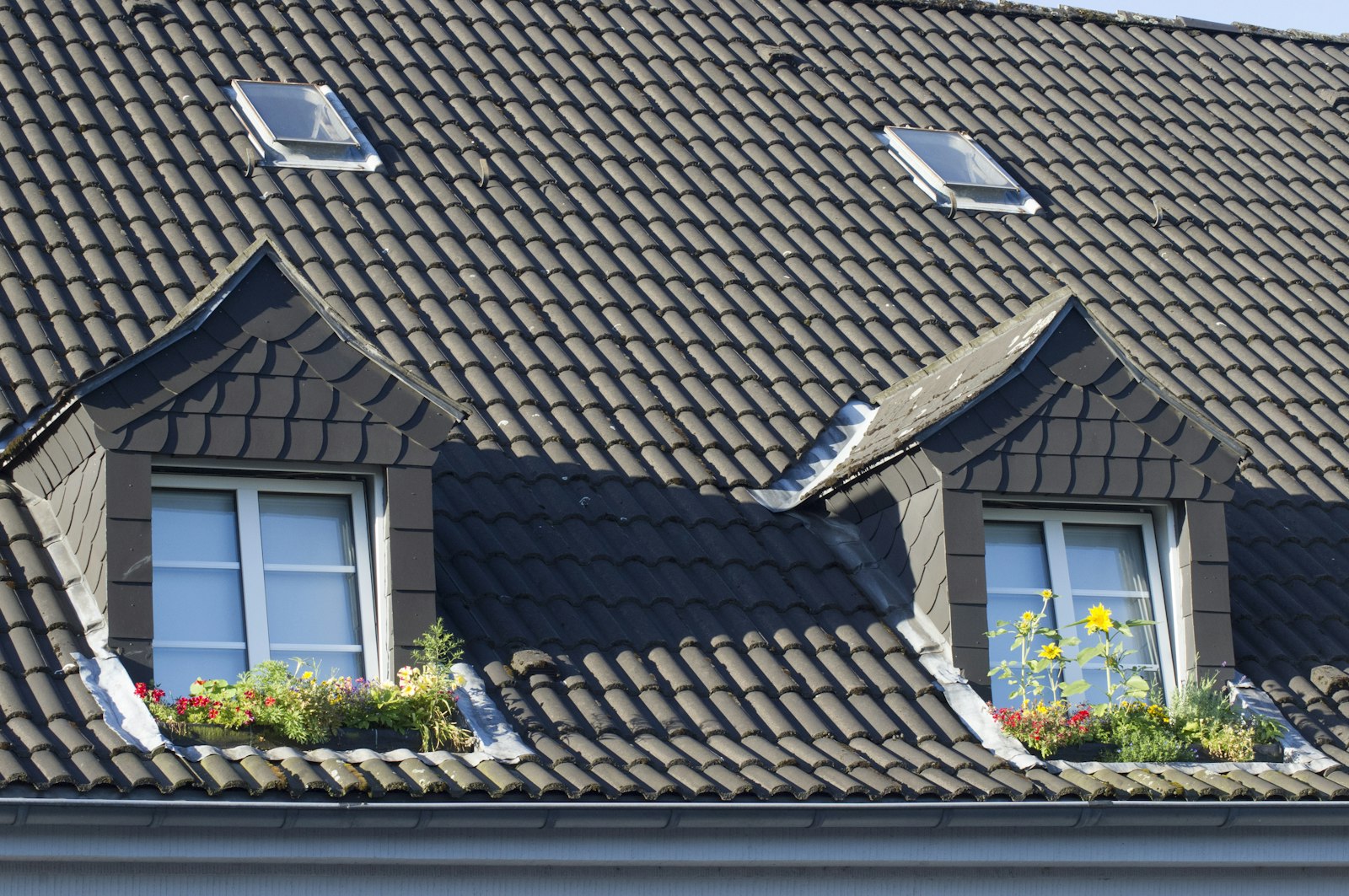
- Look around skylights and pipesStains on the ceiling near a skylight or below a vent pipe point at those joints, not the field of shingles.
- Write down storm datesIf you suspect wind or hail damage, note the date and take photos. It matters for any claim.
3Repair, replace or claim?
| What you see | Usually means | Next step |
|---|---|---|
| General wear across all slopes | Shingles near the end of their life | Plan a replacement |
| Lifting on one slope after wind | Wind damage or unsealed tabs | Photograph it and get it checked quickly |
| Soft spots, few visible marks | Possible hail bruising | An inspection before you decide on a claim |
| Small damage, high deductible | A claim may not pay | Get the repair priced first |
| Leak at a skylight or vent | Flashing or boot failure | Repair the joint |
Talk to a roofing contractor who will tell you whether it’s wear, wind or hail before you decide on a claim.
877-360-46574Questions
My shingles are past their rated life. Do I need a new roof now?
Not automatically. The rating is a guide. Check for curling, bare spots, heavy granule loss and leaks. A roof in good condition can keep going; one with general wear is finished.
Why is one slope worse than the others?
Sun, shade and wind direction all affect how a slope ages. A slope that faces the prevailing wind or full sun often wears first.
Should I claim damage that might be under my deductible?
Get the repair priced first. If it costs less than your deductible, a claim gains you nothing and still goes on your record.
Written by Jaylan Jones. I Like To Exterior Services earns a referral fee when a call connects to a contractor. See our business-model disclosure.
877-360-4657Talk to a local pro
One free number for every trade below. Tap a button to call, or dial it from any phone.
We are a publisher, not a contractor, and may earn a referral fee when a call connects. How this site makes money.

