Home/Roof age by shingle type
Roofing · How long it lasts
Roof age by shingle type
Three-tab shingle is rated around twenty years. Architectural shingle is rated twenty-five to thirty. Treat those numbers as a ceiling, not an expectation: sun, heat and hail pull the real figure down.
Knowing which shingle you have tells you the best case. Knowing when it went on, and what it has been through since, tells you where you actually are.
1Tell the two apart
| Shingle | How it looks | Typical rating |
|---|---|---|
| Three-tab | Flat, thin, with regular cut tabs in a uniform grid | Around twenty years |
| Architectural | Thicker, layered and dimensional, with an irregular shadow line | Twenty-five to thirty years |
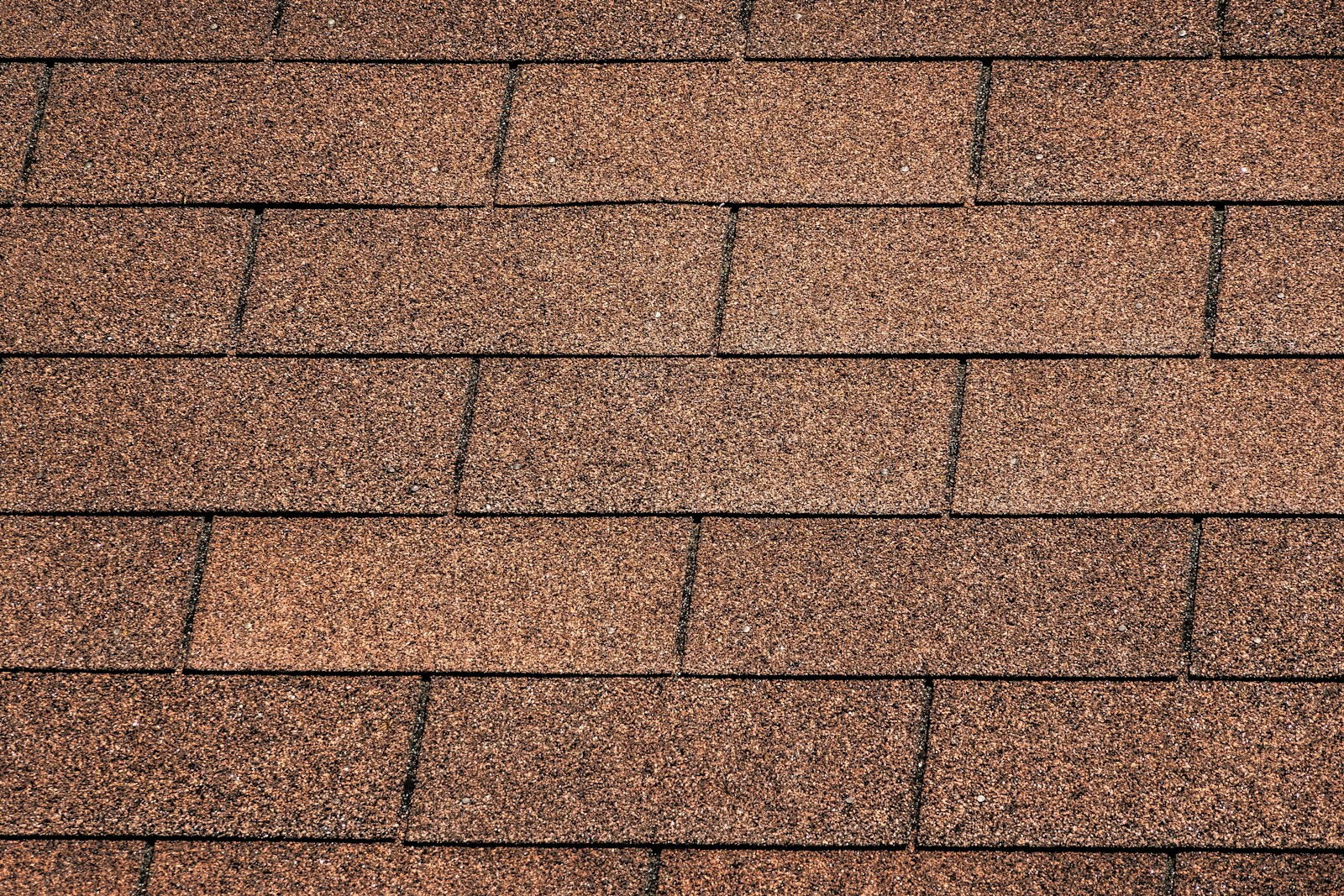
From the ground, three-tab looks like a neat grid of rectangles. Architectural looks textured and uneven, a little like wood shake.
2What pulls the real figure down
- Full sun with no tree cover. UV breaks down the asphalt faster on unshaded slopes.
- A hot, unventilated attic. Heat from below bakes the shingle. No ridge vent and no soffit intake is a common culprit.
- A history of hail. Bruised shingles lose granules and weather faster.
- An extra layer. Shingles laid over an old layer hold more heat.
UV exposure on unshaded roofsNo ridge vent and no soffit intakeTwo or three layers already
3Find out when it was installed
- Check the permit recordThe local building department’s permit record usually gives the install date.
- Check county assessor recordsThey are public and sometimes note a re-roof.
- Look at your purchase paperworkInspection reports and seller disclosures often give an age.
- Read the roof itselfIf there is no paperwork, the signs below tell you more than a guess.
4Signs it has reached its rated life
Whatever the paperwork says, these signs mean the shingle is at the end:
- Granule loss in the gutters, in steady amounts after ordinary rain.
- Curling edges, especially on three-tab.
- Exposed mat, where the granules and asphalt have worn through.
Granules collecting in the guttersThree-tab shingles curling at the edgesArchitectural shingles past their rated life
5What to do with the answer
Keep watching
- Shingles still flat and sealed
- No granule heaps in the gutters
- No leaks or soft spots
- Fix ventilation now to protect what is left
Get it inspected
- Past or near the rating, in full sun
- Curling across most slopes
- Exposed mat or heavy granule loss
- A history of hail
The cost of replacement moves with roof size and pitch, the number of layers, decking condition and the shingle you choose.
Repair or replace?Roof replacementRoofing cost
Talk to a local roofer who will tell you how much life is actually left, not just the number on the wrapper.
877-360-46576Questions
Does a thirty-year shingle last thirty years?
Rarely in full sun or over a hot attic. Treat the rating as a ceiling, not an expectation.
Should I replace my roof just because it’s twenty years old?
Not on age alone. Replace when it is curling generally, losing granules heavily, or showing exposed mat.
How do I find my roof’s age if I just bought the house?
Check the permit record and county assessor records, then your inspection report.
Written by Jaylan Jones. I Like To Exterior Services earns a referral fee when a call connects to a contractor. See our business-model disclosure.
877-360-4657Talk to a local pro
One free number for every trade below. Tap a button to call, or dial it from any phone.
We are a publisher, not a contractor, and may earn a referral fee when a call connects. How this site makes money.

