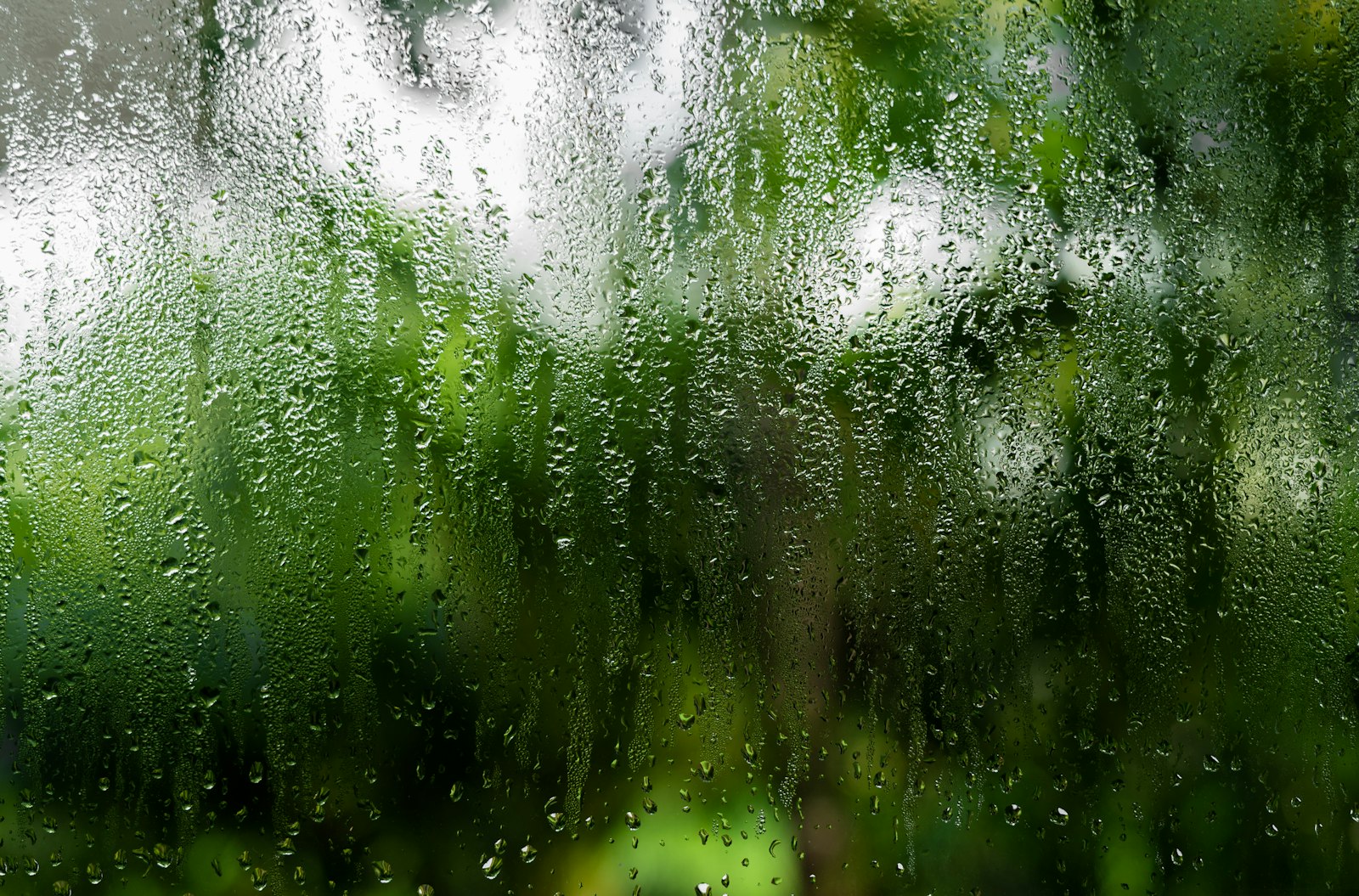
Condensation is one of the most common reasons people get window quotes, and new windows don’t always fix it. Better windows have warmer glass, which helps, but if the air is wet enough it will still find a cold spot.
1Why it happens
- Cold glass. Glass is colder than the walls around it. When warm, humid air touches it, water condenses.
- Moisture sources. Bathing, cooking, laundry, plants, aquariums, unvented heaters and humidifiers set too high.
- A tighter house. New windows, insulation or air sealing keep moisture in that used to leak out.
- Still air. Heavy curtains and blinds trap cold air against the glass.
2How to check
- Find where the water isOn the room side means indoor humidity. Between the panes means a failed seal. On the outside means outdoor dew, which is normal.
- Measure the humidityPut a hygrometer in the room for a few days. Compare it with general guidance for cold weather, which calls for lower humidity the colder it is outside.
- Note the patternWorse in bedrooms overnight, bathrooms or the kitchen points to a local moisture source.
- Check for damageLook for mold, peeling paint or soft wood on sills and trim below the glass.
3Fixing it
Do it yourself
- Run bath and kitchen exhaust fans during and after use
- Turn a humidifier down or off
- Vent the clothes dryer outdoors and avoid drying laundry inside
- Open curtains and blinds so room air reaches the glass
- Wipe the glass and sills dry to protect the wood
Hire a pro
- Exhaust fans don’t vent outdoors or don’t work
- Humidity stays high after you remove the sources
- Sills or framing are already soft or moldy
Unvented gas or kerosene heaters add a lot of moisture to indoor air. Follow the maker’s instructions and use carbon monoxide alarms.
4What drives the cost
A hygrometer and better use of the fans you have cost very little. Costs come from adding or fixing exhaust fans, ventilation work, or repairing sills that have been soaked for several winters.
5Questions
Will new windows stop the condensation?
They may reduce it, because better glass stays warmer. If the humidity is high, it will still condense somewhere. Fix the humidity first.
Why did it start after we replaced windows?
The house is tighter. Moisture that used to leak out through the old windows now stays in.
Is it harmful?
Over time, yes. Water running down onto sills causes mold and rot.
Written by Jaylan Jones. I Like To Exterior Services earns a referral fee when a call connects to a contractor. See our business-model disclosure.

