This is most common in homes built before about 1940. Old roofs were often framed lighter than today, and decades of extra shingle layers, snow and leaks add up. The ridge is where it shows first, because it should be a straight line.
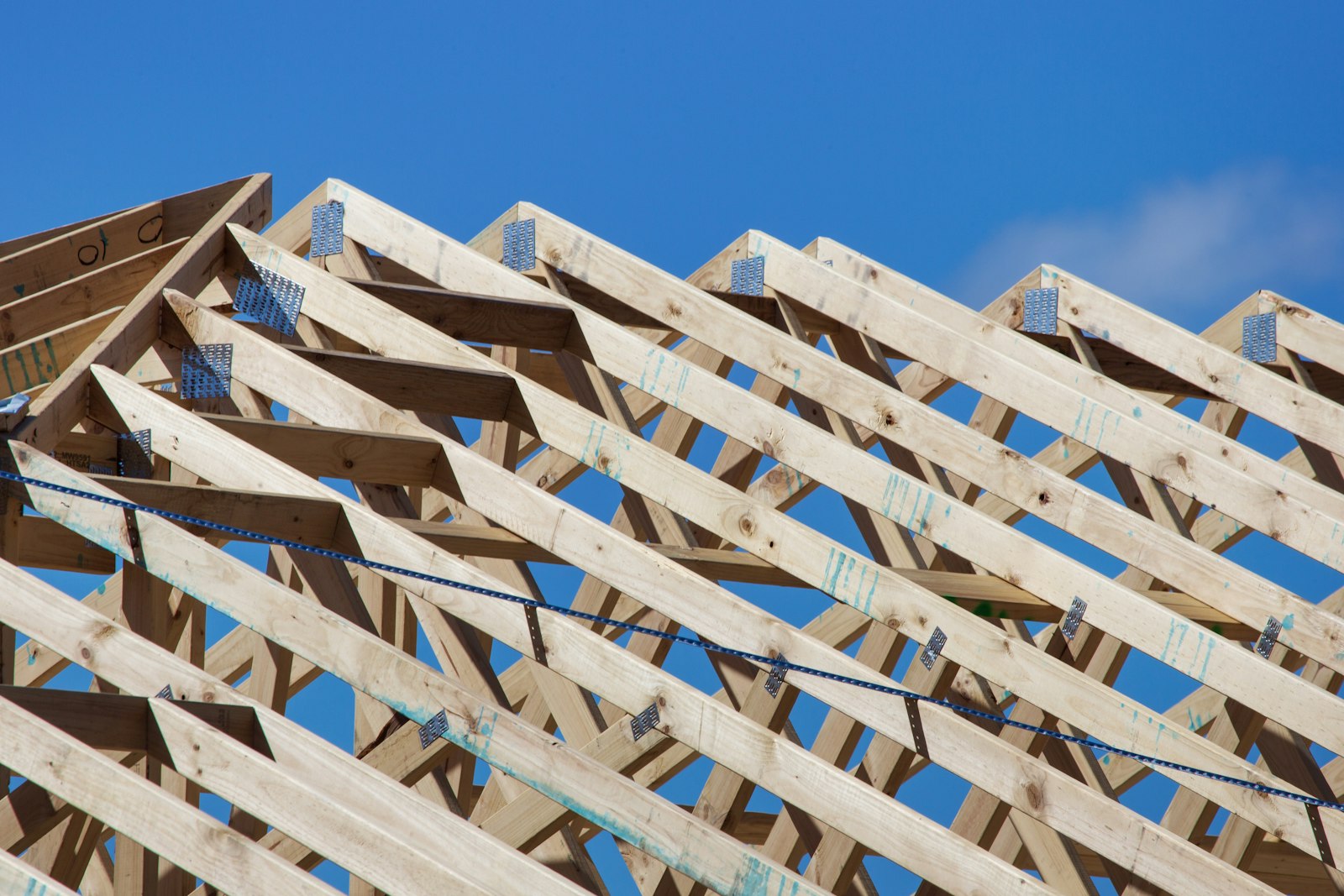
1Why ridges sag
- Rafter spread. If the bottoms of the rafters push the walls outward, the peak drops. Missing or weak ties between opposite rafters let this happen.
- A failed ridge board. The board at the peak can crack or rot, especially after long-term leaks.
- Wet decking. Decking that has been wet for years softens and sags between rafters.
- Extra weight. Multiple layers of shingle add load the original framing wasn’t sized for.
2How to check
- Sight down the ridgeFrom the ground at the gable end, look along the peak. It should be straight. A dip in the middle is the sign.
- Look for wavy slopesDips between rafters across the slope point at the decking.
- Look in the atticCheck the ridge board for cracks, rafters for splits or sagging, and the deck for stains and soft spots.
- Look at the wallsCracks near the top of exterior walls or doors that start sticking upstairs can go along with rafter spread.
If the ridge or deck is sagging, stay off the roof and don’t put weight on soft areas in the attic. Get it assessed first.
3Fixing it
Do it yourself
- Spot and photograph the sag from the ground
- Look for stains and cracks in the attic from a safe footing
- Get a structural assessment before roofing quotes
Hire a pro
- Structural assessment of rafters, ridge and ties
- Framing repairs as specified
- Deck replacement where it has softened
- Then the reroof, on a sound frame
Framing repairs may need a permit. Check local code and ask whether an engineer should look at it.
4What drives the cost
The price depends on the cause. Adding ties or bracing is a different job from replacing a ridge board or rafters. Decking replacement, tear-off of old layers, permits and any engineering add to it. Get the structural scope defined first so the roofing quote is built on it.
Talk to a roofing contractor who will check the framing before quoting the shingles.
877-360-46575Questions
Can a new roof fix a sagging ridge?
Not on its own. New shingles follow the frame underneath. The framing has to be fixed first.
Is a sagging roof dangerous?
It can be a sign of a serious structural problem. Don’t walk on it, and get it assessed promptly, especially before heavy snow.
Some old roofs just look wavy. Is that the same thing?
A little waviness across old plank decking is common. A clear dip along the ridge is different and needs a structural look.
Written by Jaylan Jones. I Like To Exterior Services earns a referral fee when a call connects to a contractor. See our business-model disclosure.
877-360-4657Talk to a local pro
One free number for every trade below. Tap a button to call, or dial it from any phone.
We are a publisher, not a contractor, and may earn a referral fee when a call connects. How this site makes money.

