Before blaming the roof, rule out condensation. Then look at the head of the skylight, because that’s where water runs into it hardest.
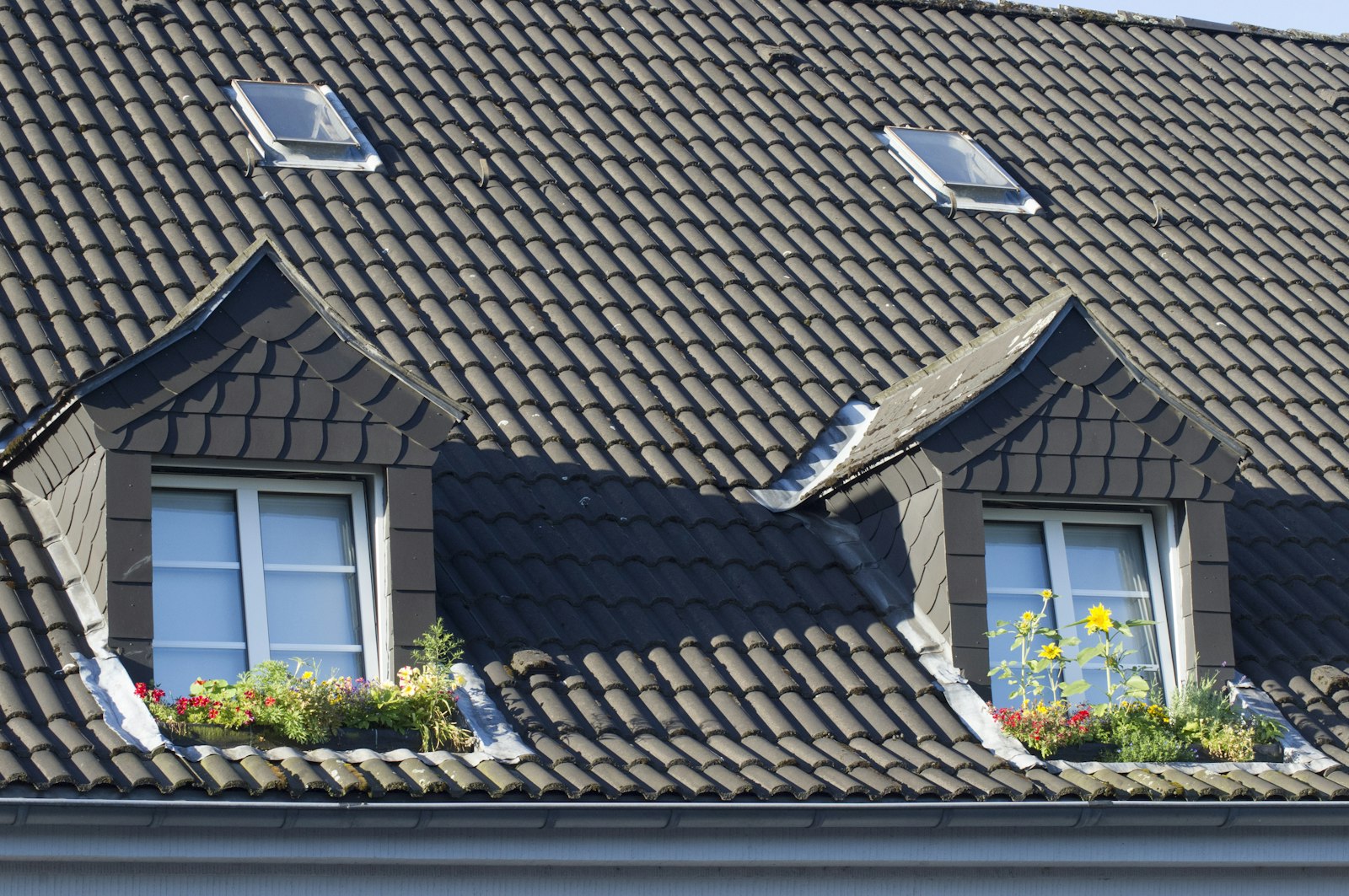
This is most common in homes built roughly 1980 to 2000. The polybutylene and aluminum-wiring window, 150 amp panels, R-22 systems and first-cycle architectural shingle.
1Why the head leaks
- Water concentrates there. Everything running down the slope above the skylight hits the head flashing first.
- Debris builds up. Leaves and grit dam water against the upslope curb.
- Improvised flashing. Generic metal and roofing cement instead of the manufacturer’s kit fail as the sealant ages.
- Aging seals. The glazing seal on older units can also fail, letting water in through the frame itself.
2How to check it
| What you see | Likely cause |
|---|---|
| Drips only in cold weather, with no rain | Condensation on the glass, not a leak |
| Staining at the top of the shaft after rain | Head flashing |
| Water between panes or fogged glass | Failed glazing seal on the unit |
| Stains on the sides of the shaft | Side flashing or the shingles beside the skylight |
- Note when it dripsRain only, or cold mornings too? That separates leaks from condensation.
- Look from the attic or the shaftFind where the stain starts. Highest point is usually closest to the source.
- Look at the head from the groundUse binoculars. Debris piled against the upslope side or heavy cement smears are both warning signs.
3Fixing it
Do it yourself
- Keep the area above the skylight clear of debris, from a safe ladder or with a pro
- Reduce indoor humidity if the problem is condensation
- Catch drips and protect the ceiling until it’s fixed
Hire a pro
- Reflashing with the correct kit for the skylight model
- Replacing an old unit together with its matching kit
- Repairing wet decking or framing around the curb
More cement over improvised flashing buys a season at best. If the unit is old, it’s often sensible to replace the skylight and flashing together, and the best time is during a reroof.
Never step on or lean on a skylight. Most aren’t built to take a person’s weight.
4What drives the cost
The price depends on whether reflashing is enough or the unit needs replacing, the skylight size and model, roof pitch and height, and any rot around the curb or in the shaft. Ask for flashing and any carpentry as separate lines.
Talk to a roofer who will check the head flashing and whether the right kit was used.
877-360-46575Questions
Can the skylight be resealed instead of reflashed?
Sealant over improvised flashing is a short-term patch. Proper flashing for that model is the lasting fix.
Should I replace the skylight when I reroof?
If it’s old, often yes. It’s far cheaper to do while the shingles around it are already off.
How do I know it’s condensation?
Condensation shows on cold mornings without rain and appears on the glass first. A leak follows rain.
Written by Jaylan Jones. I Like To Exterior Services earns a referral fee when a call connects to a contractor. See our business-model disclosure.
877-360-4657Talk to a local pro
One free number for every trade below. Tap a button to call, or dial it from any phone.
We are a publisher, not a contractor, and may earn a referral fee when a call connects. How this site makes money.

