On a hot day the schedule and the curing matter more than the mix specification. An early morning pour, shade or windbreak where possible, and a proper curing compound or wet cure afterwards are what protect the slab. If a contractor is content to pour at two in the afternoon in mid-summer with no curing plan, that is worth questioning before the truck arrives rather than after.
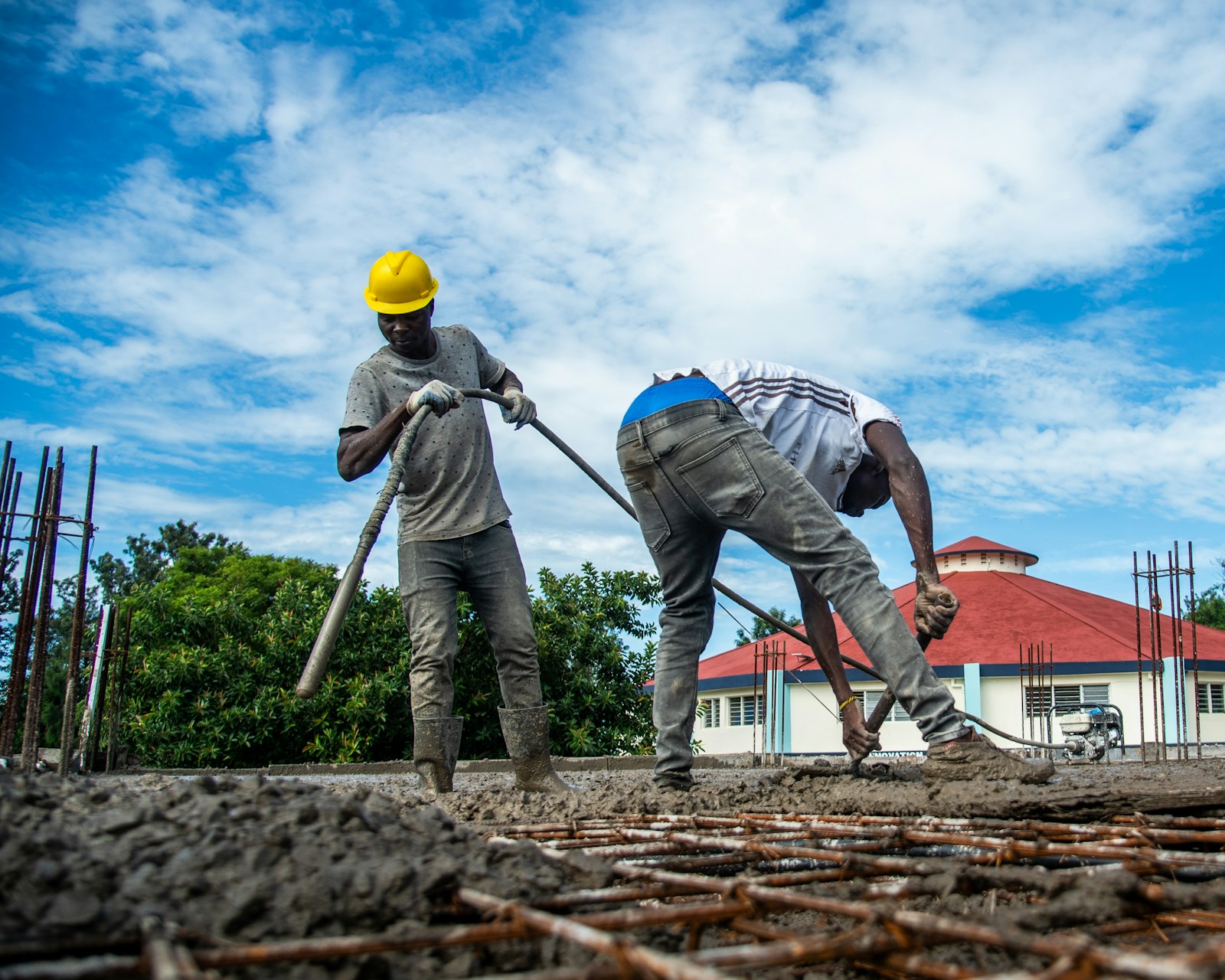
1Why heat causes trouble
- Fast drying. Sun, heat and wind pull water out of the surface before the concrete has gained strength. The top shrinks and cracks.
- Less working time. Hot concrete stiffens quickly, so crews rush the finish or add water to keep it workable, which weakens it.
- Uneven curing. The surface dries while the inside is still wet, which builds stress between the layers.
2What to ask before pour day
- What time is the pour?Early morning is the usual answer in hot weather. Mid-afternoon in high summer is a red flag.
- How will the slab be protected?Ask about shade, windbreaks, or misting where conditions call for it.
- What is the curing plan?A curing compound sprayed on after finishing, or a wet cure with water or covers. Ask who does it and for how long.
- Will water be added on site?Ask that any change to the mix be agreed with you, not added to make it easier to place.
- What if the forecast is extreme?Ask whether they’ll reschedule. Get the answer in writing.
3What you can do yourself
Check the forecast for the pour date. Ask the questions above and get the answers in the quote. If the crew leaves the curing to you, follow their instructions for keeping the slab damp or covered, and keep people, pets and vehicles off it.
Good signs
- Early start in hot weather
- Written curing plan
- Willing to move the date for extreme heat
Warning signs
- Afternoon pour in mid-summer
- No mention of curing
- Water added to the truck to loosen the mix
4What drives the cost
A morning pour and a curing compound don’t add much to a job. The expensive outcome is a cracked slab that has to live with its cracks or be replaced. If a quote is cheaper because it leaves out curing, it isn’t really cheaper.
5Questions
Can sealing later fix heat cracks?
No. Shrinkage cracks from a fast cure are in the concrete. Sealing can keep water out but won’t undo them.
Is it OK to pour in summer at all?
Yes, with the right timing and curing. Plenty of good slabs are poured in summer.
Should I water the new slab myself?
Only if the contractor’s curing plan says so, and follow their timing. Ask them before the day.
Written by Jaylan Jones. I Like To Exterior Services earns a referral fee when a call connects to a contractor. See our business-model disclosure.

