Spalling tends to get worse every winter. The rough, broken surface holds more water, which freezes and lifts the next layer. Catching it early gives you more options.
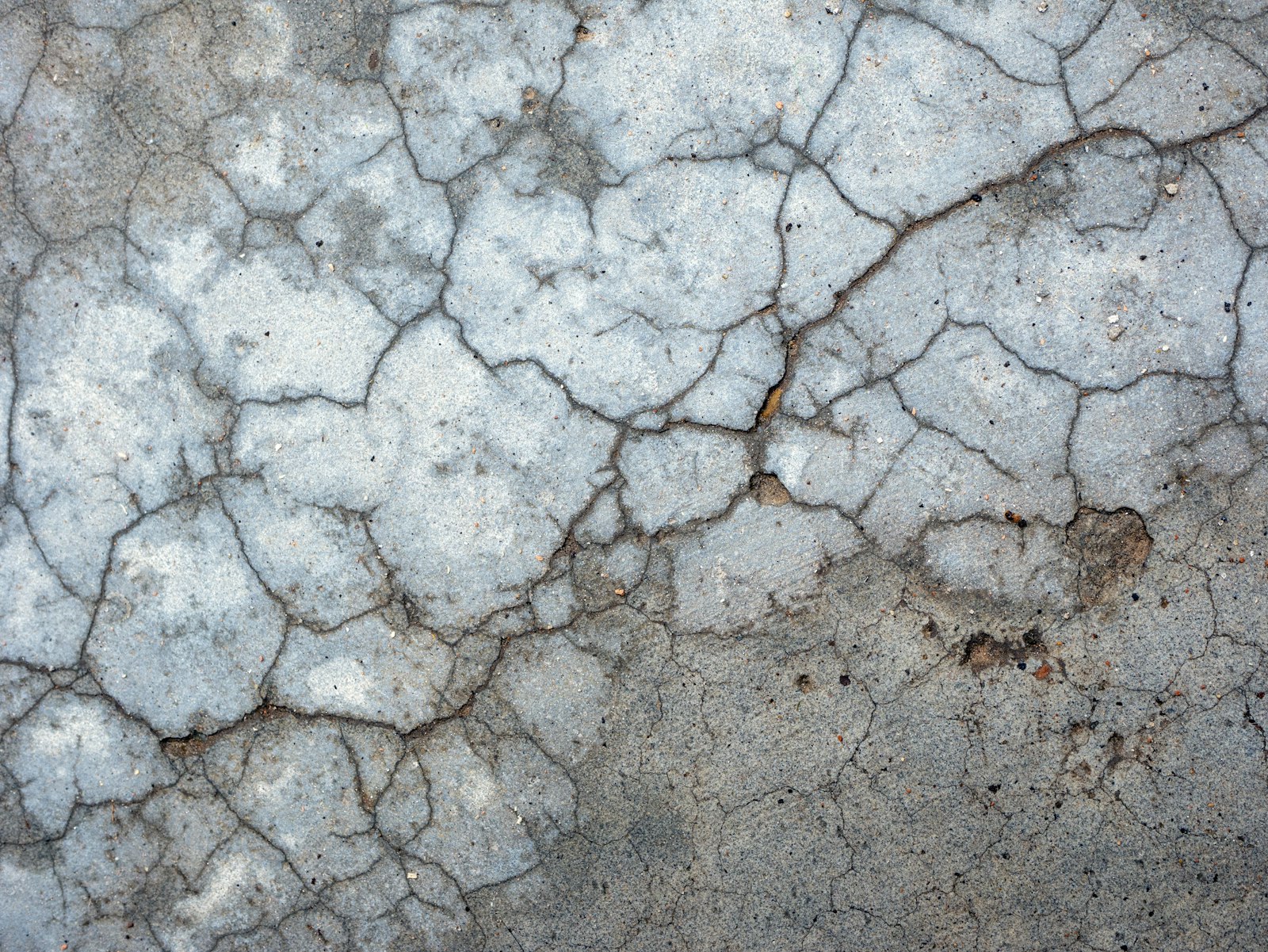
1Why concrete spalls
- Freeze-thaw. Water soaks into the surface, freezes and expands. Repeated cycles break the top layer apart.
- A bad finish. Overworking the surface, or finishing while water is still bleeding out, leaves a weak skin that later flakes.
- Deicing salts. Salt makes freeze-thaw damage worse, especially on concrete less than a year old.
- Standing water. Low spots that hold water get more freeze-thaw cycles than the rest of the slab.
2How to check how bad it is
- Map the damageIs it a few patches or the whole surface? Is it worst where water sits or where cars park?
- Tap around the edgesTap the concrete near the flaking with a hammer handle. A hollow sound means the surface has let go beyond what you can see.
- Check the depthShallow scaling only affects the skin. Deep pits or exposed stone mean more of the slab is involved.
- Look for rustRust stains or exposed steel mean water has reached the reinforcement. That needs a pro.
3Fixing it
Do it yourself
- Stop using salt on the slab; use sand for traction
- Fix low spots and drainage so water doesn’t sit
- Seal sound, undamaged concrete to slow water entry
- Shovel snow off instead of letting it melt in place
Hire a pro
- The surface sounds hollow or is lifting in sheets
- Spalling covers a large part of the slab
- Steel is exposed or rust is staining the surface
- You’re weighing resurfacing against replacement
A properly bonded resurfacing layer can work on shallow damage if all the loose material is removed first. If the contractor plans to skim over it without removing loose concrete, expect it to fail the same way.
4What drives the cost
The price depends on the area affected, how deep the damage goes, how much loose concrete has to be removed, and whether the section can be resurfaced or needs replacing. Replacement adds tear-out, haul-away and a new pour.
Talk to a concrete contractor about whether it can be resurfaced or needs replacing.
877-360-46575Questions
Can I just seal over it?
Not once it’s delaminating. Sealer on top of a failed layer comes off with it. Sealing is for concrete that is still sound.
Is new concrete supposed to spall?
No. Spalling on a young slab often points to the finish or early salt use. Raise it with the installer and ask for their answer in writing.
Will it keep spreading?
Usually, in climates that freeze. The broken surface holds more water, so each winter tends to take more.
Written by Jaylan Jones. I Like To Exterior Services earns a referral fee when a call connects to a contractor. See our business-model disclosure.
877-360-4657Talk to a local pro
One free number for every trade below. Tap a button to call, or dial it from any phone.
We are a publisher, not a contractor, and may earn a referral fee when a call connects. How this site makes money.

