Granules protect the asphalt from sunlight. Once they go, the shingle dries out and ages faster. You can track this from the ground, with no call needed.
This is most common in homes built roughly 1940 to 1980. Post-war and mid-century — copper supply, aging cast iron stacks, 60 to 100 amp panels, first-generation central air.
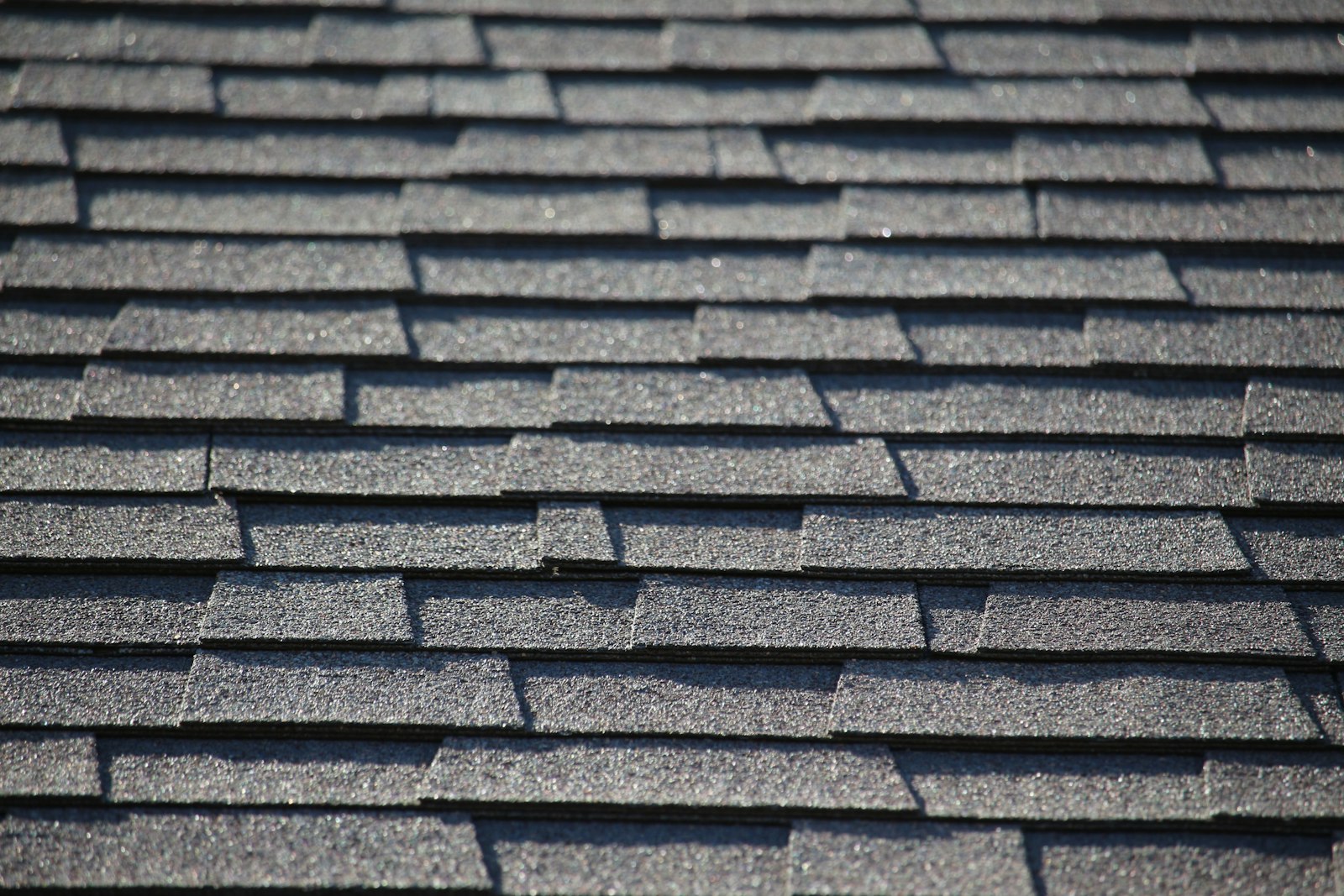
1Why granules come off
- A new roof shedding surplus. Loose granules from manufacturing wash off in the first months. This tapers off.
- Storms. Hail knocks granules loose. A sudden spike after a storm is worth a closer look.
- Age. On a mid-life roof the bond between granules and asphalt weakens. Loss becomes steady instead of occasional.
- Heat. A hot attic and full sun speed up aging of the asphalt that holds the granules.
2How to check it yourself
- Sample the downspout outletAfter a rain, scoop a handful from where the downspout discharges. Put it in a labeled bag or jar with the date.
- Compare year over yearKeep last year’s sample. More granules, with nothing unusual in the weather, means the wear is speeding up.
- Look at the shingles from the groundUse binoculars. Dark, smooth or shiny patches are places where the mat is showing.
- Note any recent stormA spike right after hail is a different story from steady loss. See bruising you can feel but barely see.
Sample from the downspout outlet, not the gutter, so you stay on the ground. If you do clean the gutter, don’t lean the ladder on it and don’t work alone.
3What to do about it
Do it yourself
- Sample and compare once a year
- Keep gutters and outlets clear so granules don’t build up and hold water
- Find the install date so you know where the roof is in its life
Hire a pro
- Bare patches are visible from the ground
- Loss spiked after a hailstorm
- You are planning for a reroof and want an honest timeline
Granule loss can’t be repaired. Coatings don’t put granules back. What you’re doing is judging how much life is left so a replacement is planned, not forced by a leak.
4What drives the cost
Watching granules costs nothing. When the roof does need replacing, the price moves with roof size and pitch, the number of existing layers, decking condition and the shingle you choose. Read roofing cost before you get quotes.
5Questions
Is a little grit in the gutter normal?
Yes, especially on a new roof or after a storm. What matters is a steady increase from a roof in the middle of its life.
Does granule loss mean I need a new roof now?
Not by itself. It tells you the roof is aging. Bare patches, curling or leaks are the signs that replacement is close.
Could it be hail damage?
If loss jumped right after a hailstorm, yes. Have the roof looked at before any filing window closes.
Written by Jaylan Jones. I Like To Exterior Services earns a referral fee when a call connects to a contractor. See our business-model disclosure.

